Most fleets are already mixed. A diesel tractor doing trunk runs, a couple of electric vans on suburban routes, maybe a cargo bike trial in a city centre that started as an experiment and quietly became load-bearing. The vehicles arrived incrementally, each for a good reason.
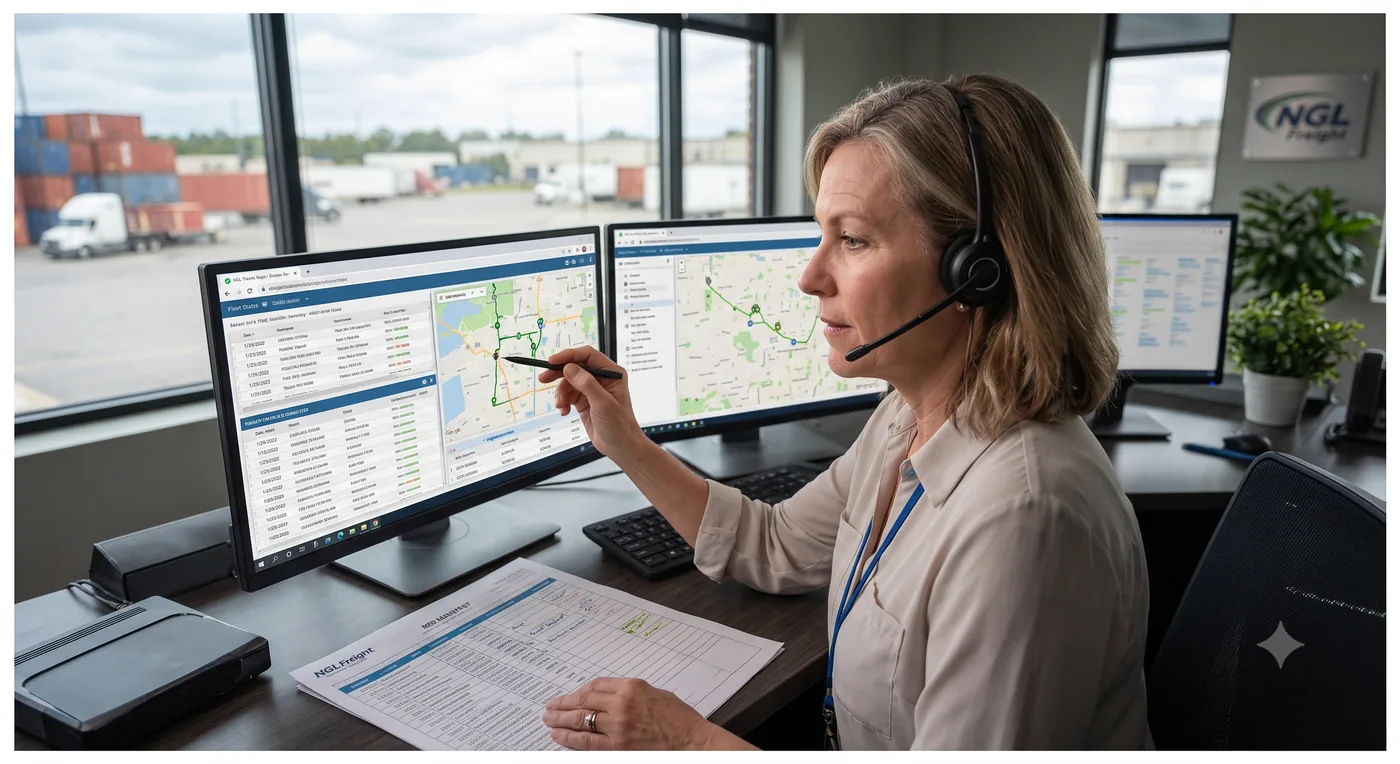
The software usually did not keep up. It is common to find a fleet running three dispatch processes because it runs three vehicle types, and treating that as normal.
The cost is in the seams
Separate systems per vehicle class create predictable problems, and none of them are about the vehicles.
Dispatchers develop a preference for whichever tool is least irritating, so assignment stops reflecting what suits the load. Proof of delivery arrives in different formats depending on who carried the parcel, which makes a customer query into an archaeology exercise. And nobody can answer the basic question — what is the actual cost per drop across the whole operation — because the numbers live in incompatible places.
None of this shows up as a line item. It shows up as time, and as decisions made on partial information.
The economics that forced the mix
Dense cities have become slower and more expensive for van-based delivery. Congestion, restricted curb access, zero-emission zones, parking penalties and rising stop density have changed the arithmetic of the final mile. Cargo bikes carrying up to around 400 pounds handle a large share of urban parcel work while sidestepping the parking problem entirely, at a fraction of the per-drop cost of a van in the same streets.
Meanwhile electric vans have stopped being a pilot. Ranges beyond 150 miles and total cost of ownership at or below diesel equivalents have made them the default for high-volume suburban routes rather than a sustainability gesture.
Neither replaces the diesel tractor doing 400 miles between regional hubs. That is the point. A mixed fleet is not a transition state on the way to one uniform vehicle type — it is the efficient answer, because the jobs are genuinely different.
Micro-hubs change the shape of the network
The structural version of this is the micro-hub: a small consolidation point near a dense demand pocket, fed by larger vehicles and worked by smaller ones. Heavy vehicles trunk to the hub. Bikes and walking couriers handle the legs where a van would spend more time parking than moving.
It only works if the handover is clean. A parcel moving from tractor to micro-hub to cargo bike crosses two custody boundaries, and each is a place where tracking can break. If the systems do not speak to each other, the customer sees a shipment that goes quiet halfway through — which reliably produces a phone call.
Clean custody records pay off elsewhere too. They are what makes a detention dispute winnable rather than a matter of opinion.
What a single dispatch layer actually requires
The useful abstraction is straightforward: the load has requirements, the vehicle has capabilities, and dispatch matches them. Weight, dimensions, distance, urgency, access constraints on one side. Capacity, range, street access, driver hours on the other.
Powertrain is one attribute among several, not a reason for a separate workflow.
In practice that means:
- One manifest format regardless of what carries the freight, so a dispatcher moving a load between modes is not re-entering it.
- One set of status codes. Picked up, in transit, delivered — the same vocabulary whether the vehicle has eighteen wheels or two.
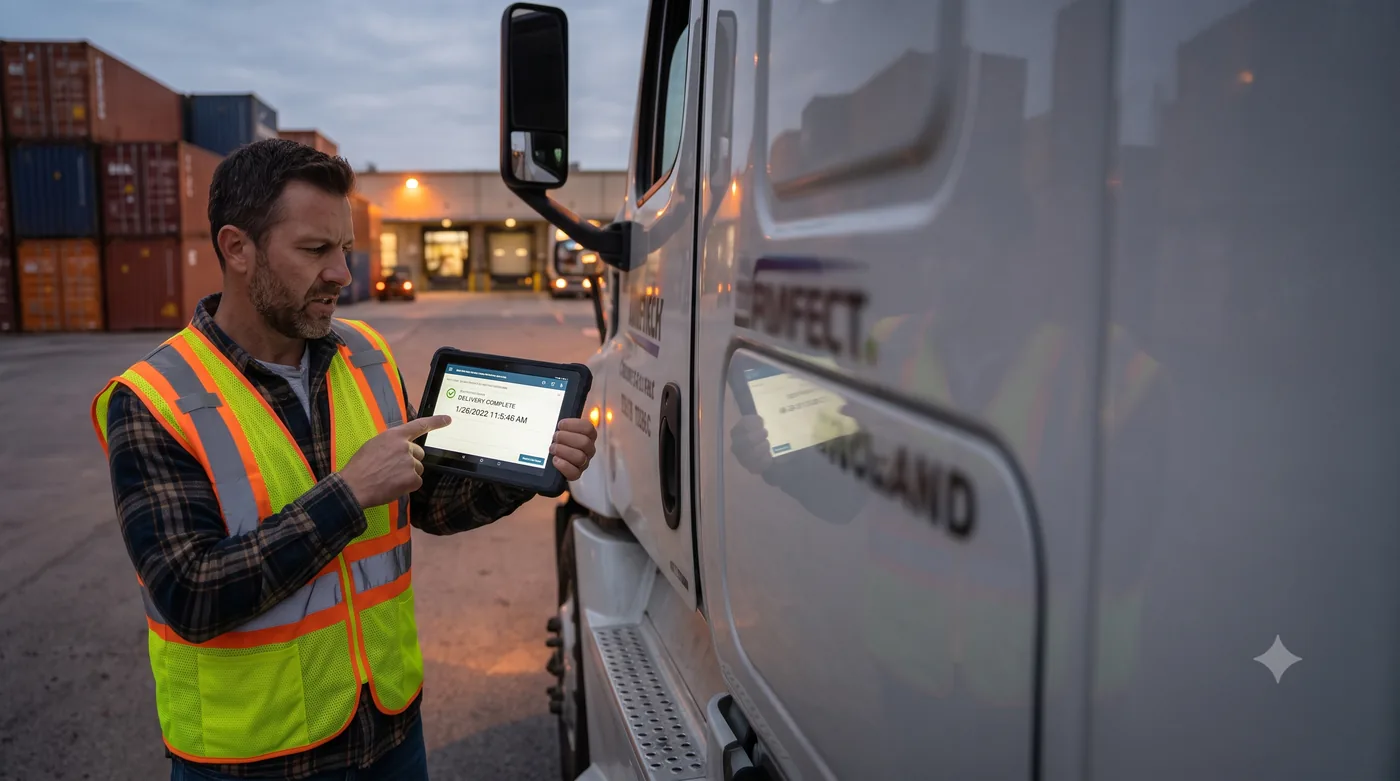
- One proof-of-delivery record. The customer should not be able to tell which mode carried their parcel from the confirmation they receive.
- Capability-aware assignment that understands range limits and access restrictions as ordinary constraints rather than exceptions someone remembers.
Transitions take years, and that is fine
Fleets typically move to electric over two to five years, running new and old alongside each other throughout. Software that handles both in the same routing and dispatch workflow is what makes that period manageable instead of an extended headache.
The alternative — a parallel process for the new vehicles until they become the majority — means running two operations for years, and it tends to prejudice everyone against the transition for reasons that are entirely about tooling.
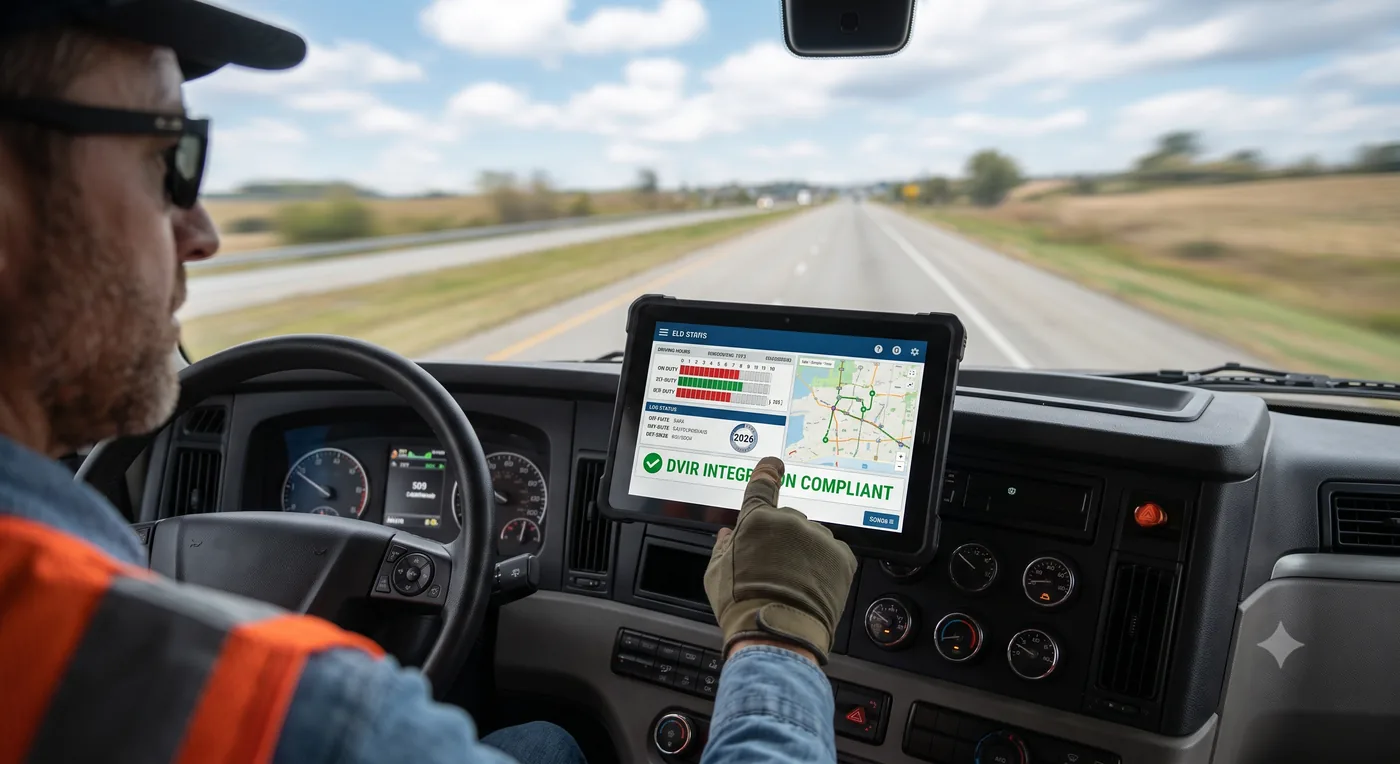
For the vehicles that fall under hours-of-service rules, the same argument applies to compliance data — see ELD and DVIR integration.
NGL FreightMate® is vehicle-agnostic by design: diesel, electric and hybrid trucks, cargo aircraft, maritime vessels, autonomous vehicles, cargo bikes and walking couriers all report into the same manifest, the same status codes and the same proof-of-delivery record.
The dispatcher assigns the load. What carries it is a detail — which is exactly what it should be.
Tell us about your fleet mix and we will show you how it maps.